










March 26, 2026
In-home Care
10 Accessible and Inclusive Autumn Activities to Enjoy This Season

Autumn brings cooler air, golden leaves, and the perfect opportunity to slow down and reconnect with the world around us. However, for many people living with disability or mobility challenges, seasonal activities can sometimes feel out of reach.
The good news? With a little planning and the right support, autumn can be just as enjoyable, relaxing, and inclusive for everyone.
Whether it’s spending time outdoors, enjoying creative hobbies, or simply connecting with loved ones, there are plenty of activities that support independence, wellbeing, and community connection.
Let’s explore 10 accessible and inclusive autumn activities that can be enjoyed comfortably at home or out in the community.
Why Seasonal Activities Matter for Wellbeing
Seasonal activities do more than fill time—they support emotional wellbeing, independence, and social connection.
For people living with disability or older adults receiving in-home support, engaging in meaningful activities can:
Improve mood and mental wellbeing
Encourage gentle movement and activity
Strengthen social connections
Create a sense of purpose and routine
Most importantly, accessible activities help people stay connected to the world around them.
1. Enjoy an Accessible Nature Walk
Autumn is the perfect season for a peaceful walk outdoors.
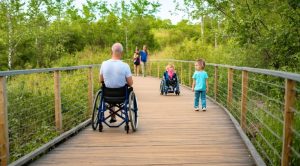
Many parks now feature wheelchair-friendly paths, seating areas, and accessible facilities. This means individuals with mobility aids can comfortably enjoy the beauty of falling leaves and cooler weather.
Even a short walk can boost mood and provide gentle physical activity.
And if outdoor mobility is limited, simply sitting in a garden or local park can offer the same calming experience.
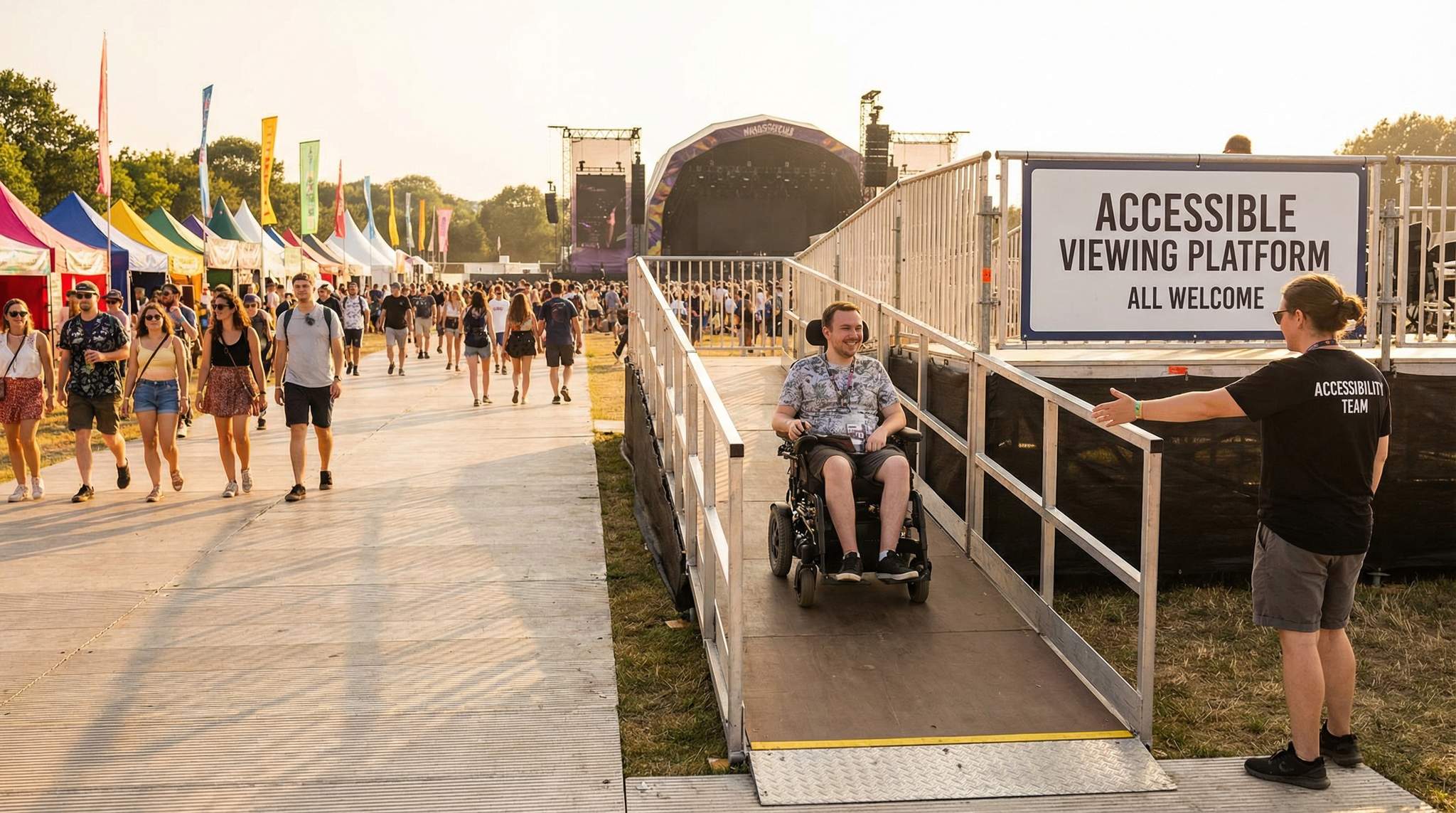
2. Visit an Inclusive Autumn Festival or Market
Autumn festivals and community markets are wonderful places to experience local culture.
Many events now offer:
Accessible entrances and pathways
Quiet areas for sensory needs
Accessible parking and restrooms
Because of this, people with disability can participate in community events more comfortably.
Additionally, markets often feature local food, handmade crafts, and live entertainment—making the outing both relaxing and engaging.
3. Try Autumn-Themed Arts and Crafts
Creative activities are perfect for cosy autumn days indoors.
Simple craft ideas include:
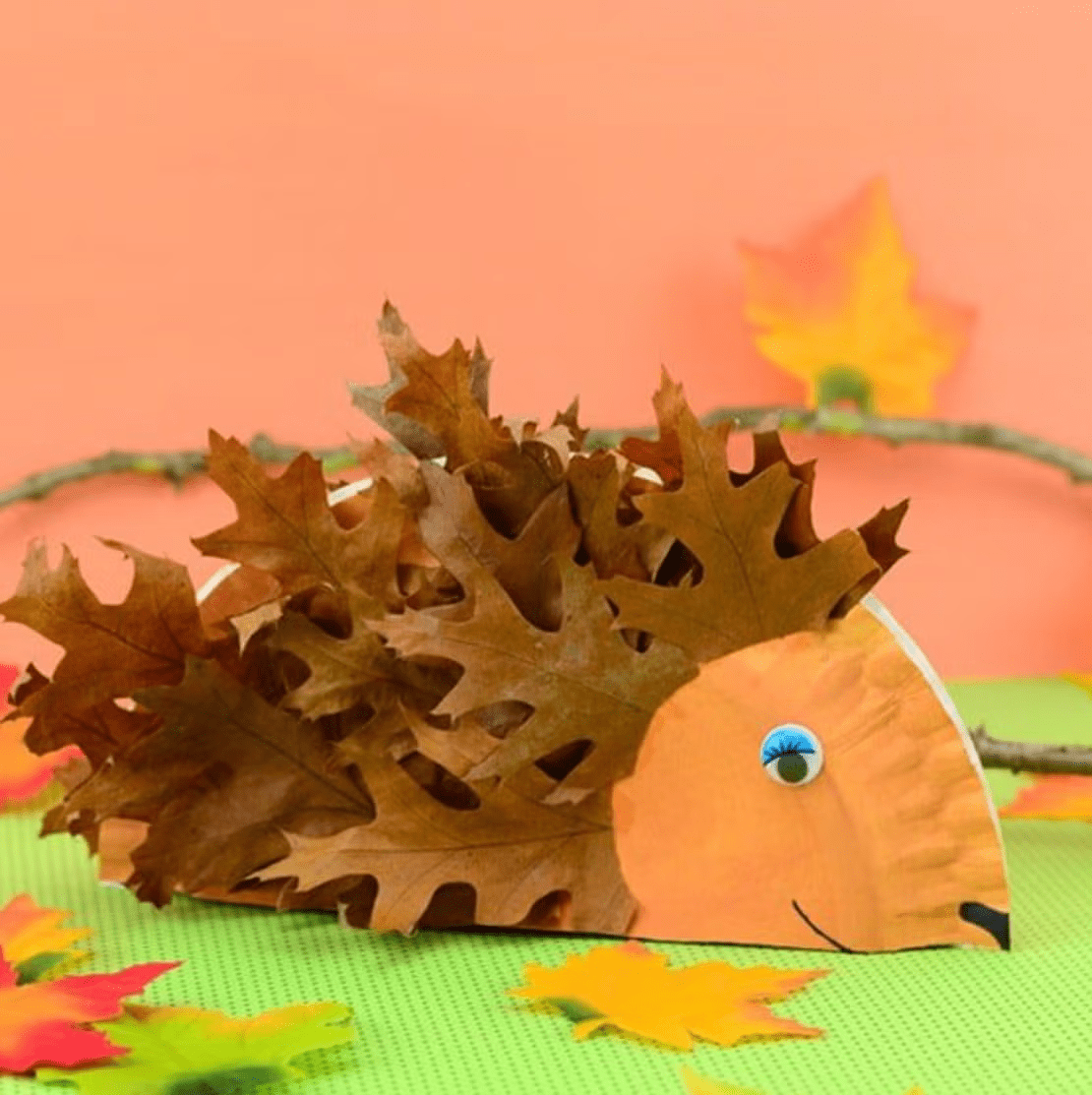
Leaf pressing or painting
Autumn-themed greeting cards
DIY decorations using natural materials
Not only are these activities relaxing, but they also encourage creativity and fine motor skills.
Better yet, they can be adapted for all ability levels.
4. Host a Cosy Movie Afternoon
When the weather cools down, a movie afternoon with warm blankets and snacks can be the perfect activity.
Participants can choose favourite films, classic comedies, or documentaries.
Additionally, accessibility features such as subtitles, audio descriptions, and comfortable seating make the experience more inclusive.
It’s also a wonderful opportunity for family members, carers, and participants to spend time together.
5. Bake Simple Autumn Treats Together
Baking is both fun and rewarding.
Autumn recipes like:
Pumpkin muffins
Apple crumble
Cinnamon biscuits
can be made with simple steps and adaptive kitchen tools.
Furthermore, cooking together encourages teamwork, independence, and sensory engagement.
And of course, enjoying the finished treat is the best part.
6. Explore Community Gardens
Community gardens offer a peaceful and social environment.
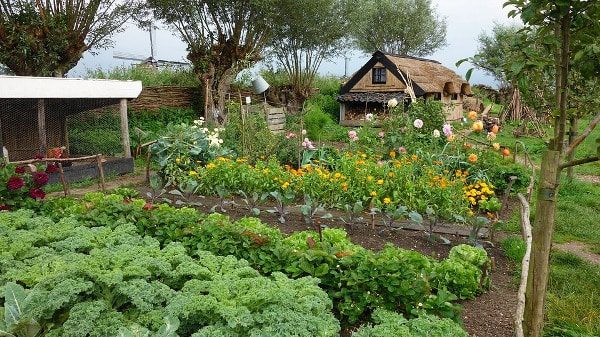
Many gardens now include raised garden beds and accessible pathways, allowing people using wheelchairs or mobility aids to participate in gardening activities.
Participants can plant herbs, water plants, or simply relax among nature.
Gardening also promotes mindfulness and a sense of accomplishment.
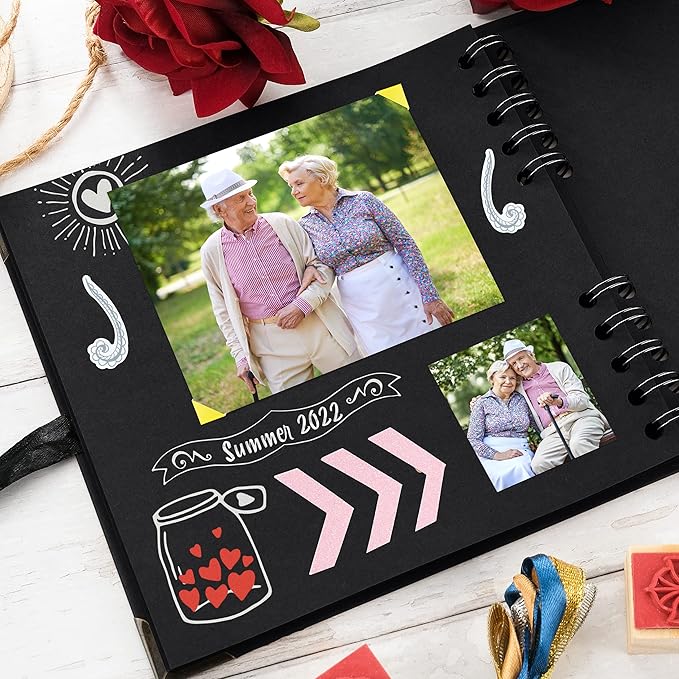
7. Create a Seasonal Photo Album
Autumn colours make for beautiful photos.
Participants can take pictures during walks, family visits, or daily moments and later organise them into a seasonal photo album or scrapbook.
This activity encourages reflection and storytelling while preserving meaningful memories.
8. Attend an Accessible Community Event
Local libraries, cultural centres, and community organisations often host inclusive autumn events.
These may include:
Art workshops
Music performances
Community lunches
Educational talks
Because many venues prioritise accessibility, participants can feel more comfortable attending and socialising.
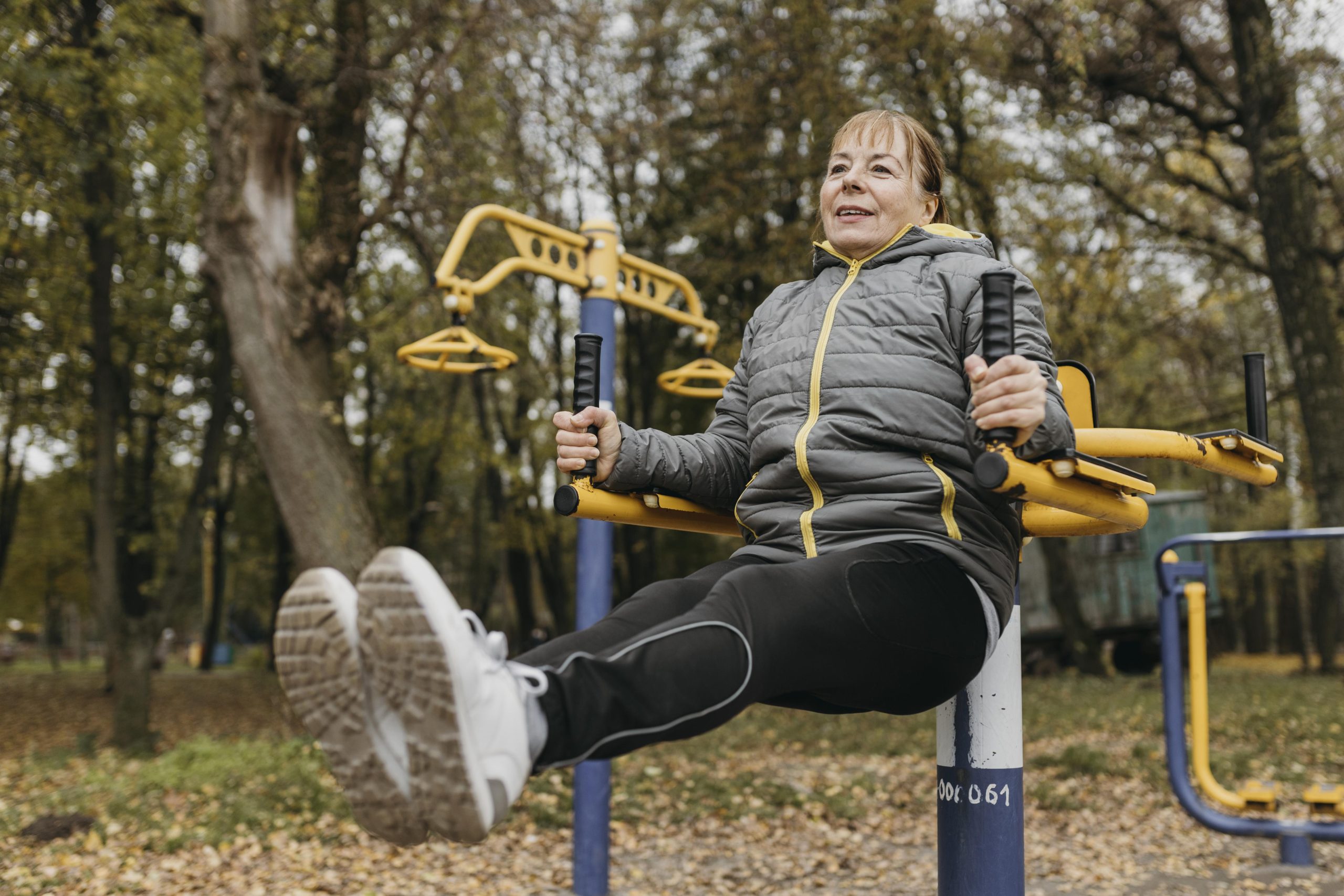
9. Try Gentle Outdoor Exercise
Autumn’s mild weather makes it ideal for gentle physical activities.
Examples include:
Stretching in the park
Light yoga sessions
Chair exercises outdoors
These activities help maintain mobility, flexibility, and overall wellbeing.
And when done in a group setting, they can also be incredibly motivating.
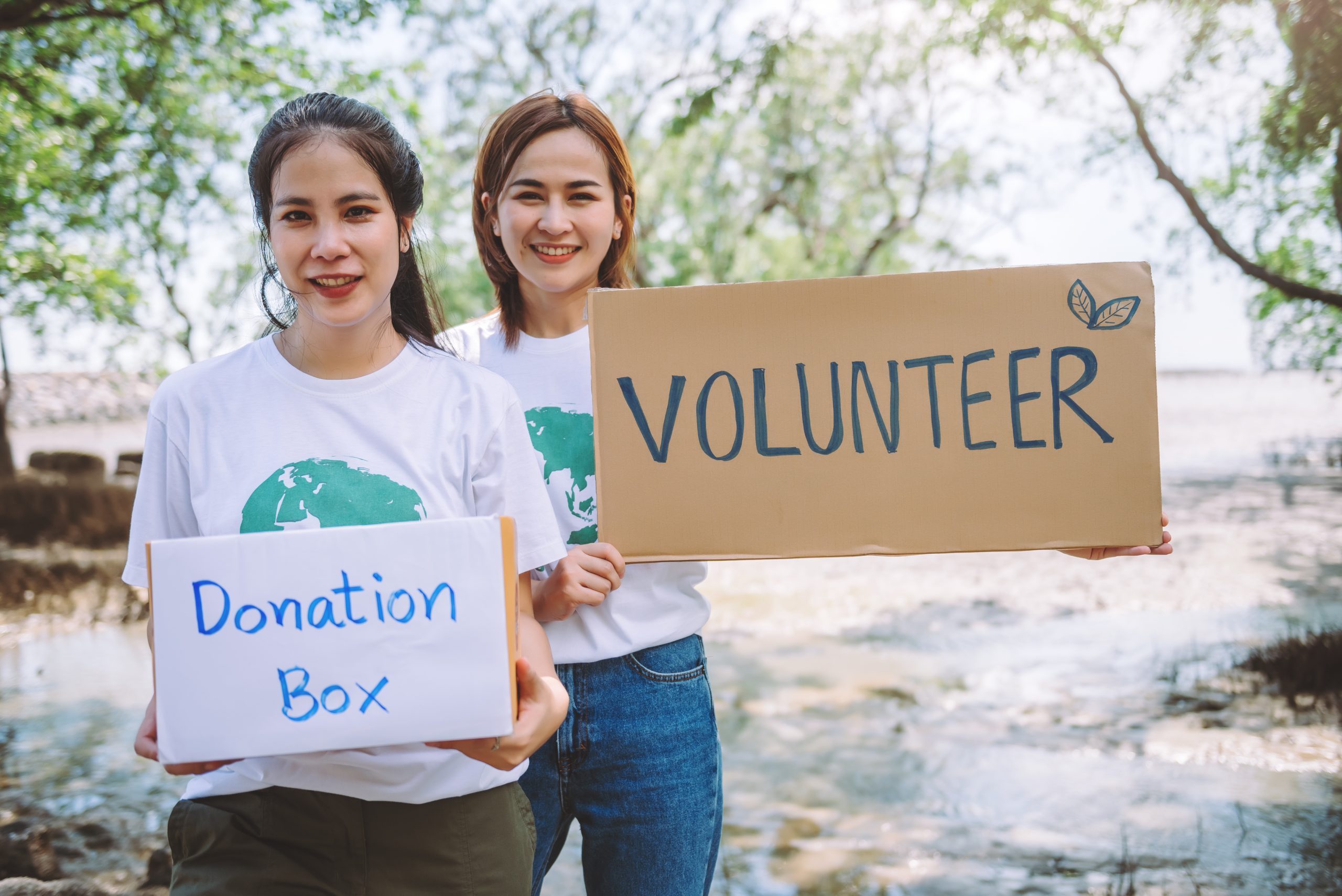
10. Volunteer or Connect with the Community
Giving back to the community can be deeply fulfilling.
Depending on ability and interest, participants may choose to:
Help organise local events
Support community initiatives
Participate in social groups
Even small contributions create a strong sense of belonging and purpose.
Making Autumn Activities More Accessible
While the activities themselves are important, the right support can make all the difference.
Having assistance with:
Transport
Mobility support
Planning accessible outings
Personal care during activities
helps ensure participants can safely enjoy the season.
Because when barriers are removed, opportunities for joy and connection grow.
Whatever the Disability Is ….
Abled Care and Nursing Services is here to help you.
Enjoy Autumn with the Right Support
At Abled Care and Nursing Services, we believe everyone deserves the chance to enjoy life’s simple moments—no matter the season.
Our compassionate team supports individuals with daily activities, community participation, and in-home care, helping participants stay active, independent, and connected.
Whether it’s attending a community event, going for a nature walk, or enjoying creative hobbies at home, we’re here to support meaningful experiences every step of the way.
Because inclusion isn’t just about accessibility—it’s about creating opportunities for everyone to participate fully in life.
Ready to get started?
The Abled Care Mobile App makes life simpler and more connected. NDIS participants, families, and support professionals can manage care, organise tasks, and contact the Abled Care team—anytime, anywhere, just one tap away.