November 25, 2025
Community Participation
How music keeps ageing brains healthy.
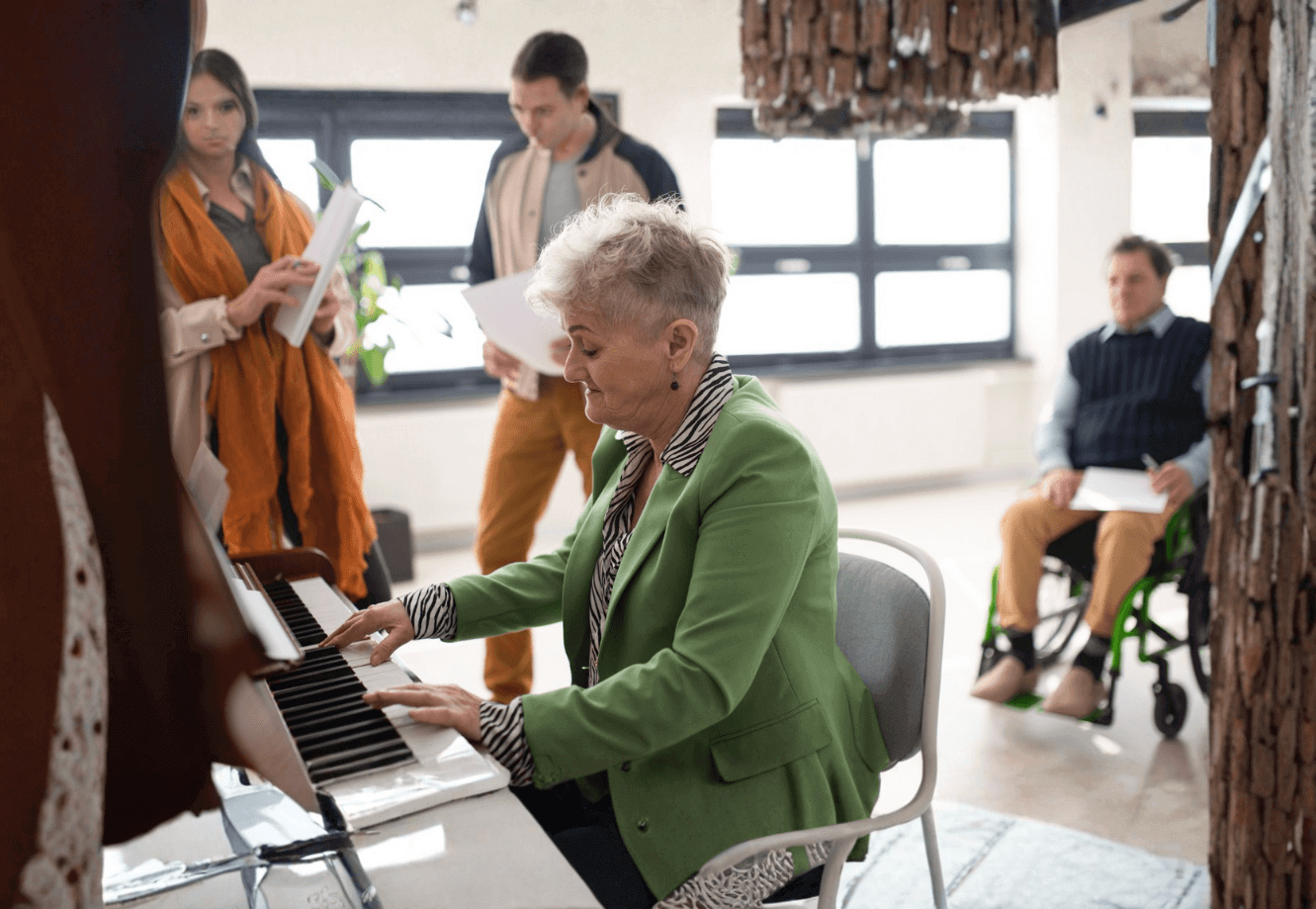
Music has always been a source of joy but today, science shows something even more powerful. The songs we love, the rhythms we move to, and the melodies that stay in our memory can literally help keep our brains younger. At Abled Care and Nursing Services, we see this every day through our disability support, aged care support, and in-home care programs, where even a few minutes of music can uplift mood, memory and connection.
So let’s dive in and explore why music is one of the easiest and most enjoyable ways to support long-term brain health.
What Happens in the Brain When We Listen to Music?
When we hear or play music, something extraordinary happens inside the brain. Music doesn’t just light up one part, it activates multiple regions at the same time.
Memory
Movement
Language
Attention
Emotions
This whole-brain activation strengthens neuroplasticity, which is your brain’s natural ability to form new pathways, adapt, and stay resilient even as you age.
And the best part?
You don’t have to be a professional musician to benefit. Even simple musical activities can boost attention, mood, coordination, and memory.
At Abled Care and Nursing Services, our carers often use simple musical routines humming during morning care, gentle playlists before bed, rhythmic tapping to support sharper thinking and emotional calm.
Why Humans Are “Wired” for Music
From babies who instinctively sway to rhythm…
to older adults who remember lyrics from decades ago…
music stays with us throughout life.
Scientists explain that rhythm, vibration and melody interact with our brain and body in a deeply natural way. This instinctive connection makes music a powerful lifelong tool—not just for entertainment, but for emotional wellbeing, healing, and daily functioning.
In fact, older adults receiving support from Abled Care and Nursing Services often find that music brings back lost memories, sparks conversations, and reduces stress during care routines.
The Research Behind Music & Ageing Brains
Research continues to show that music is one of the most effective tools for supporting ageing brains. Here’s what the evidence says:
✔ Music boosts cognitive reserve
A Macquarie University study shows that engaging with music throughout life—even casually—strengthens the brain’s resilience against age-related decline.
✔ Rhythm and pitch improve memory
Research in adults aged 57–90 links musical ability with better working memory and clearer speech processing.
✔ Music supports physical and emotional health
Harvard Medical School reports improvements in: * mood * sleep * stress levels * blood pressure …all of which are closely linked to brain health.
✔ Community music reduces loneliness
Singing groups, drumming circles and music-based activities in aged care homes help older adults feel more connected, confident and mentally active.
This is one reason why Abled Care and Nursing Services incorporates music-based engagement in many of our disability support, community participation, dementia care and nursing services. It works and it’s enjoyable.
3 Easy Ways to Use Music for Better Brain Health
Now let’s talk about what you can put into practice right away. Here are simple, science-backed ways to use music daily—perfect for seniors, carers and families.
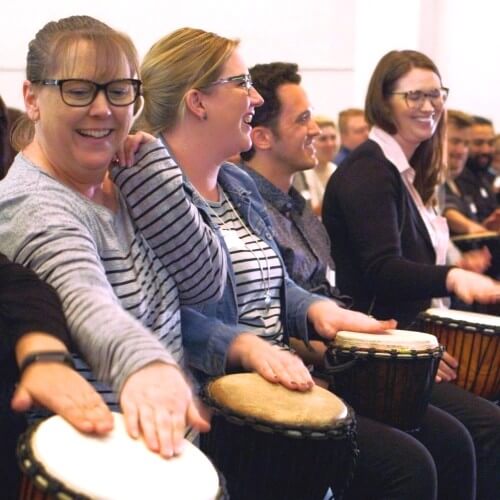
Join a Singing or Drumming Group
Group music is pure magic. It strengthens both brain health and social wellbeing, two pillars of ageing gracefully.
Try: community choirs, seniors’ rhythm classes, group drumming, music-movement sessions
Benefits: reduced anxiety, better breathing, increased social connection, sharper verbal memory, boosted confidence
This is why our community participation programs often include music-based social activities.
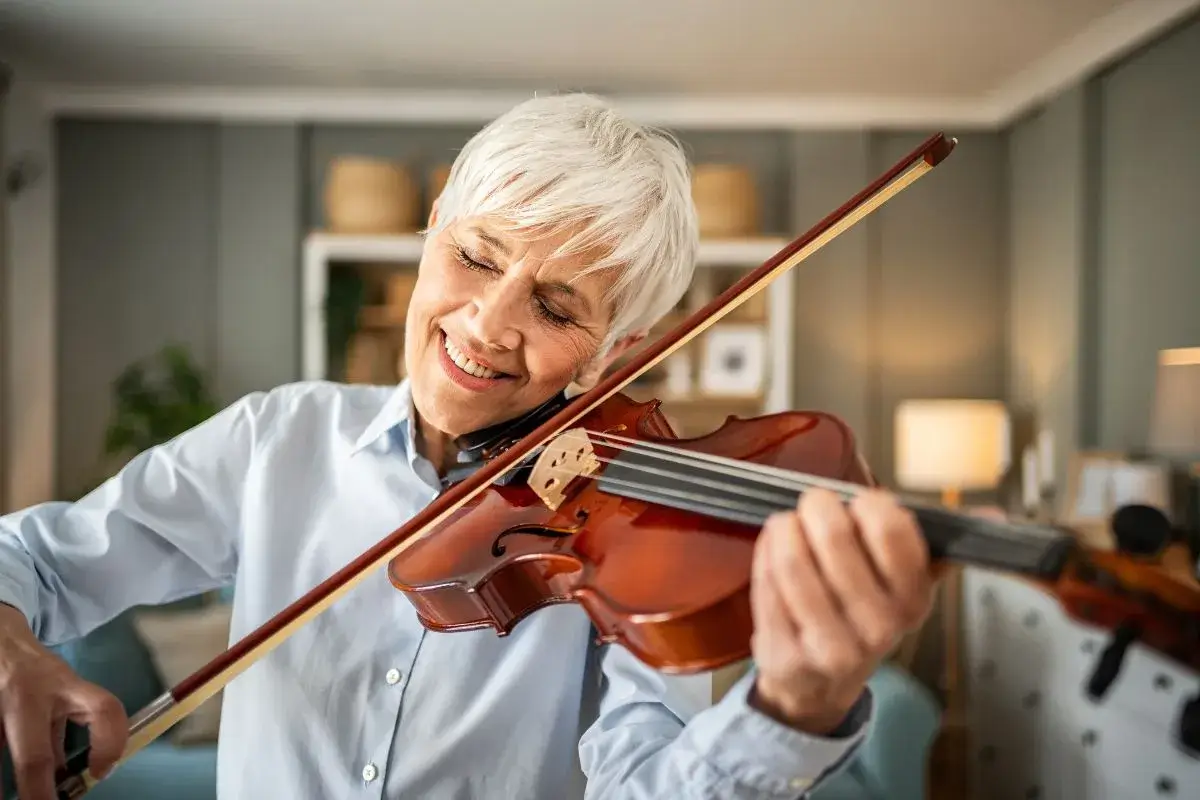
Learn or Practise a Musical Instrument
You don’t need lessons or formal training to get started. Experience isn’t required either. All it really takes is a little curiosity and a willingness to try something new.
Try: keyboard, ukulele, harmonica, hand drums
Benefits: improved focus, better hand-eye coordination, stronger memory, sharper problem-solving
For seniors receiving in-home care or disability support through Abled Care and Nursing Services, even gentle rhythmic movements can activate motor areas of the brain.
Create a Personalised Music Playlist
Music can transport us back to moments we thought we’d forgotten.
A customised playlist can be especially helpful for people experiencing memory loss, dementia or confusion.
Try: songs from childhood, wedding music, favourite artists, cultural songs, travel memories
Benefits: improved recall, emotional comfort, reduced agitation, better sleep
Tip for carers:
At Abled Care and Nursing Services, we often recommend using playlists during morning routines, quiet afternoons or before bedtime. These moments become smoother, calmer and more reassuring for the person receiving care.

Care That Keeps You in Tune
At Abled Care and Nursing Services, we believe that great care is about more than daily tasks, it’s about supporting the mind, the heart and the memories that make a person who they are.
That’s why our in-home care, disability support and nursing services often include:
music-based routines
personalised playlists
movement-and-music activities
calming sound therapy
joyful sing-along moments
Everything is tailored to each person’s personality, preferences and health goals. And with our trained carers, nurses and support workers, music becomes a meaningful part of daily wellbeing, not just a background noise.
Final Thought
Could music keep your brain healthier for longer?
Absolutely.
Could it bring more calm, joy and connection into daily care?
Even more so.
With the right support and the right soundtrack ageing can feel richer, brighter and more connected.
And at Abled Care and Nursing Services, we’re here to make that happen.