February 23, 2026
In-home Care
What to do if your NDIS funding isn’t covering what you need

Sometimes families feel they simply have to adjust once an NDIS plan is approved, so they start cutting support hours, stretching services, and quietly taking on more care themselves. Yet when daily supports no longer match real life, the issue is rarely the participant, it is the plan. Funding gaps usually appear because needs change faster than paperwork; health can shift, mobility may decline, behaviours may increase, carers become fatigued, and safety risks inside the home grow over time. Therefore, running out of funding is not a budgeting mistake but a sign the plan no longer reflects current reality, and it can be corrected.
At Abled Care and Nursing Services, many participants initially worry they have done something wrong, however they have not; their circumstances have simply evolved while the plan remained based on older information.
Why NDIS Funding Stops Being Enough
NDIS plans are built using information available at the time of planning. The difficulty is that life does not stay still for twelve months.
Over time:
- mobility can reduce
- falls can begin
- behaviours can escalate
- medication needs change
- carers burn out
As a result, supports that were once reasonable and necessary are no longer sufficient.
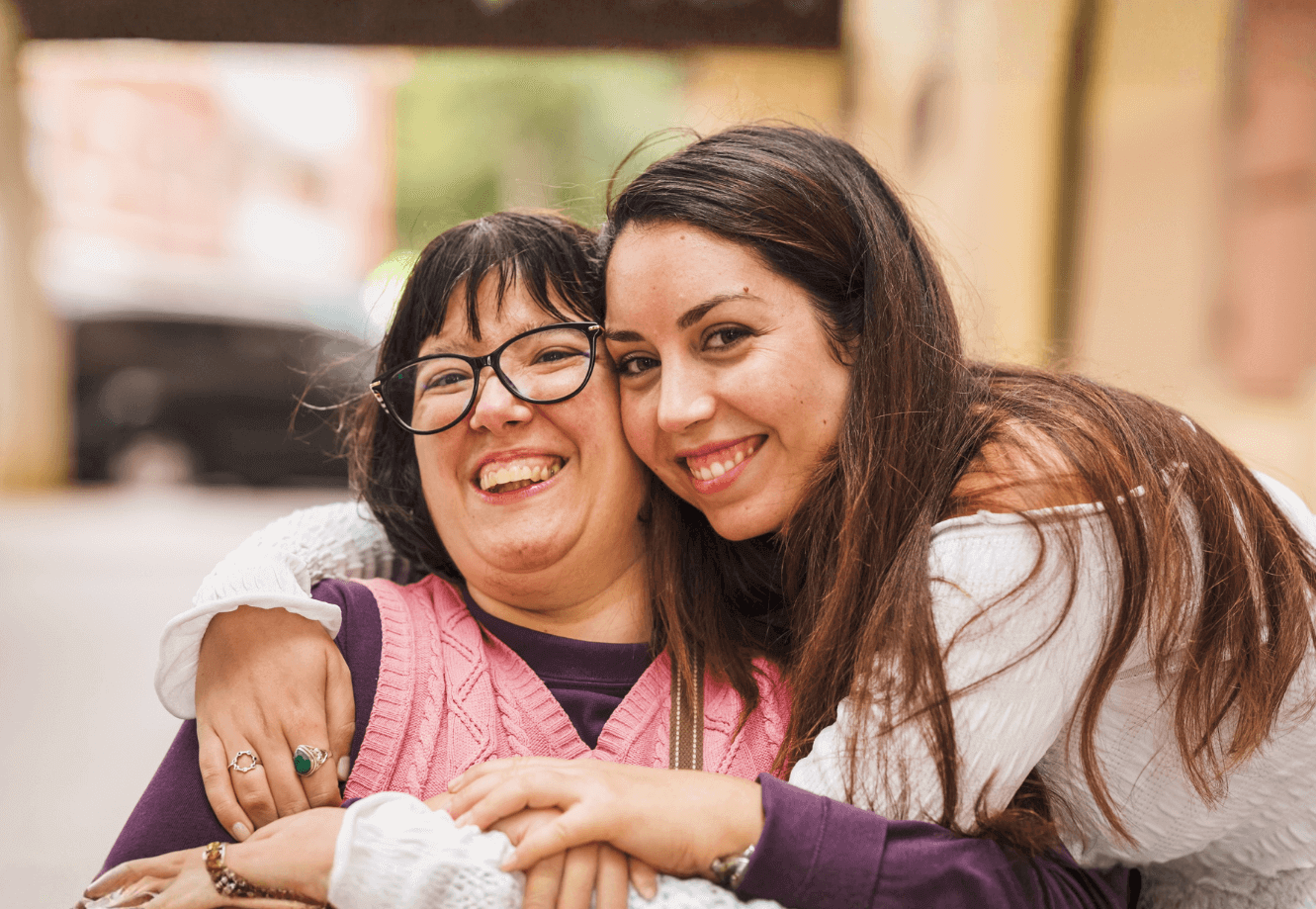
Step 1 — Identify What Is No Longer Working
This step sounds simple, but it is actually the most important one. Before contacting the NDIA, clearly define the gap.
Not “we need more help.” But what specifically is failing in daily life?
For example:
- showering is no longer safe with current hours
- medication prompts are being missed
- transfers now require two people
- behaviours increase in the evening
- family members are providing daily physical care
- Clarity changes outcomes.
Vague concerns are difficult to assess. Specific safety risks are actionable.
Support coordinators and care teams at Abled Care and Nursing Services often begin by mapping a participant’s real daily routine versus their funded routine. The difference between the two usually reveals the issue immediately.
Step 2 - Review How the Funding Is Being Used
Next, look at how the plan operates in practice. Many participants assume funding ran out because too much support was delivered. Surprisingly, that is often not the case.
Instead, the original plan underestimated actual need.
Check:
- how quickly Core Supports are being used
- whether support times match peak need periods
- if essential care is competing with community activities
- whether one category is carrying the entire workload
Sometimes small roster adjustments can temporarily reduce pressure. For instance, prioritising morning and evening care over low-risk hours can stabilise the situation while larger changes are pursued.

Step 3 — When the NDIA Will Reassess a Plan
The NDIA does not increase funding because the budget has reached zero. They reassess when the participant’s circumstances have changed.
Common reassessment triggers include:
- functional decline
- new medical conditions
- increased falls
- behavioural escalation
- safety risks at home
- breakdown of informal supports
- change in living arrangements
In other words, funding increases when evidence shows the current plan no longer supports safety, health, or independence.
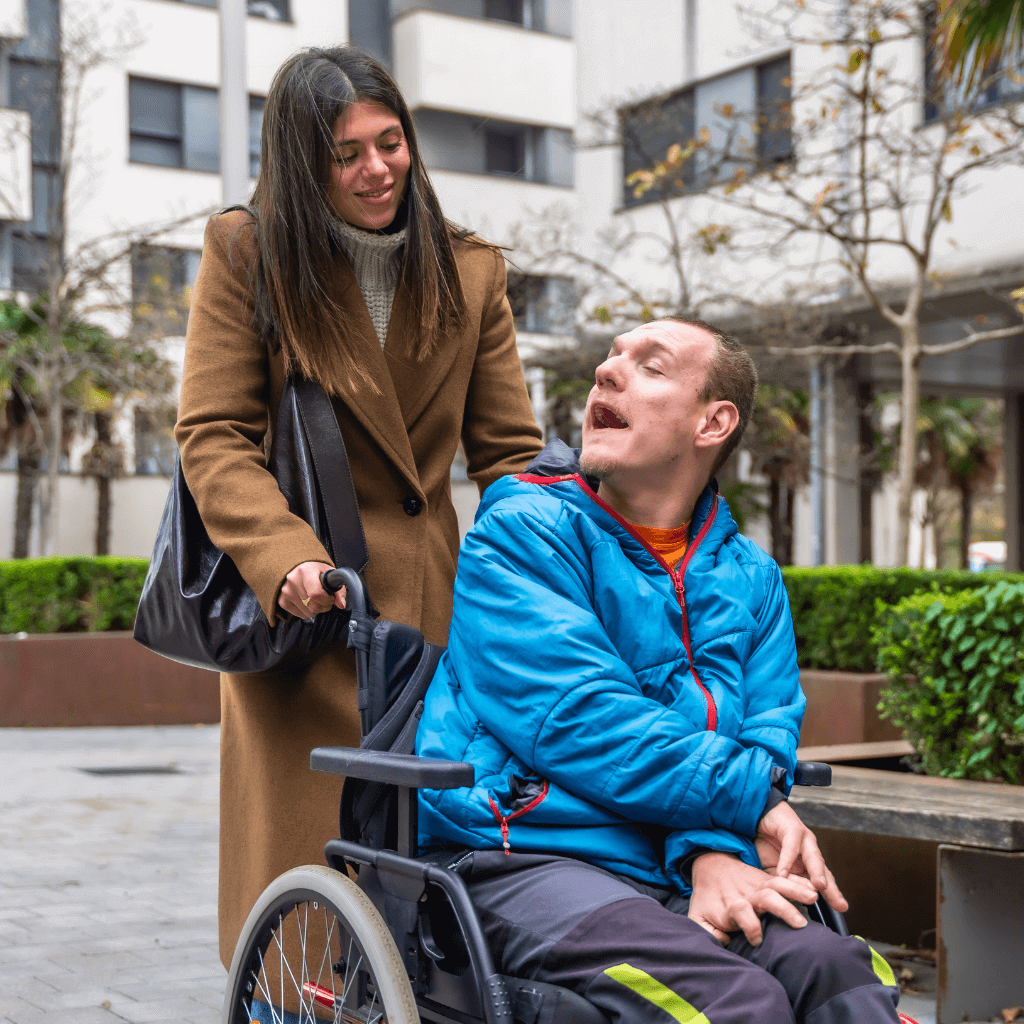
Step 4 — Collecting the Right Evidence
Evidence is the strongest part of any reassessment.
However, not all documentation carries equal weight.
Helpful evidence includes:
- updated occupational therapy assessments
- physiotherapy reports
- medical letters
- incident reports
- falls records
- documentation of carer strain
- behaviour support reports
The key is not simply stating needs exist. The evidence must explain what happens if support is not provided.
For example:
Not “needs assistance with showering.”
But “participant cannot safely transfer and is at risk of injury without two-person support.”
At Abled Care and Nursing Services, care documentation often becomes crucial because daily support notes demonstrate real-world risk patterns over time.
Step 5 — Request a Change of Circumstances
Once evidence is ready, a Change of Circumstances reassessment can be requested at any time — you do not have to wait for the review date.
A strong request clearly explains:
- what has changed
- why the current funding is insufficient
- what supports are required
- how risks affect safety or independence
When written properly, reassessments are significantly smoother and outcomes become more predictable.
Step 6 — Managing Care While Waiting
This period is often the most stressful because reassessments take time while care needs continue. Families may start covering missing supports, routines get skipped, and risks gradually increase. The priority should be stability, not perfection.
Helpful short-term steps include prioritising high-risk support hours, focusing on essential personal care and mobility, using assistive equipment, limiting non-essential activities, and setting safe boundaries around informal care. Consistency is also crucial, as sudden changes in routines or workers can increase anxiety or behaviours.
Abled Care and Nursing Services helps maintain reliable routines and safe coverage during reassessment so small issues do not escalate while the plan is being updated.
What Happens If Funding Gaps Are Ignored
When gaps continue, care gradually becomes reactive instead of planned.
Then consequences follow:
- increased falls
- carer injuries
- emergency hospital visits
- behavioural crises
- breakdown of living arrangements
Families often push themselves past safe limits out of love. Unfortunately, that is exactly when long-term damage occurs. Early action prevents crisis.
How Abled Care and Nursing Services Supports Plan Alignment
When plans and real life no longer match, participants need guidance, not just services.
Abled Care and Nursing Services supports participants by:
- identifying support shortfalls
- documenting care risks
- assisting with reassessment preparation
- supporting change-of-circumstances requests
- maintaining consistent in-home support during transitions
The focus is always continuity, safety, and sustainability. Because the goal of the NDIS is not simply funding. It is a life that is safe, stable, and actually livable.
Whatever the Disability Is ….
Abled Care and Nursing Services is here to help you.
Final Thoughts
If your NDIS funding is no longer covering essential supports, it does not mean you have to manage alone or wait for the next scheduled review; rather, it usually means the plan needs updating. Needs change over time, health changes, and daily life changes, and the NDIS system allows adjustments when these changes are clearly explained. Many families feel relief once they realise they can request a reassessment and that doing so is often the responsible step.
Abled Care and Nursing Services regularly supports participants in reviewing whether their plans still reflect their real daily routines and risks, and sometimes a second perspective is enough to move a situation from ongoing stress to stability. The right plan does more than provide funding; it restores safety, routine, and peace of mind.